10+ Effective Stress-Relief Methods Not Everyone Knows About
21/09/2024
In modern life, stress seems to find its way into everyone’s lives. We can easily feel stressed due to the pressures of work, studies, family, and more. This condition can affect both the body and the mind. In fact, a little stress can have a positive impact on your daily activities. However, severe stress can cause many problems, affecting your overall life. So what exactly is stress? What are the signs that you are stressed, and what are effective ways to reduce stress? Let’s explore these in the article below with Fuji Wellness Center!
Stress is a natural response of the body to cope with challenges and threats in life, leading to emotional and behavioral changes. It causes individuals to struggle with everyday problems, creating feelings of anxiety, frustration, and can lead to exhaustion, anxiety disorders, and depression.
There are two types of stress: acute stress and chronic stress:
Acute stress: A short-term response when facing immediate danger or emergencies.
Chronic stress: A prolonged state of stress, though less intense than acute stress, it occurs over a longer period.
Stress is a natural response of the body to cope with challenges and threats in life, leading to emotional and behavioral changes.
Though stress helps protect the body from threats, enhancing focus and alertness, prolonged or excessive stress can impact mental health, physical well-being, and quality of life. Severe stress can lead to:
Mental health issues: Insomnia, headaches, dizziness, irritability, memory loss, etc.
Cardiovascular problems: Increased cortisol production, raising risks of diabetes, hypertension, and heart issues.
Digestive disorders: Stress impedes blood circulation, leading to indigestion and stomach ulcers.
Reduced libido: Hormonal imbalances due to stress may cause decreased sexual desire or reproductive issues.
2. Signs of stress
Sometimes you may wonder if you’re stressed and how to recognize it. According to experts, the following are common signs of severe stress:
Muscle pain: Muscle tension causing neck, back, and shoulder pain is a stress indicator.
Nail-biting: This habit may signify overwhelming stress as it distracts from anxiety.
Tooth decay: Stress can cause teeth grinding, leading to enamel wear and decay.
Skin rashes: Stress affects the immune system, causing histamine release, resulting in itchy and red patches.
Sleepiness: High stress can make you feel exhausted due to adrenaline production.
Forgetfulness: Chronic stress shrinks the hippocampus, the brain’s memory center, affecting memory retention.
Negative thoughts: Persistent stress can lead to distorted thinking and negative actions.
Changes in appetite: Increased or decreased eating due to stress is common.
Digestive issues: Stress disrupts digestion, leading to constipation or diarrhea.
Frequent colds or flu: Chronic stress weakens the immune system, making you more susceptible to viruses.
Rapid heartbeat and chest pain: Stress increases breathing and circulation, which can worsen respiratory problems.
Reduced libido: Stress often lowers sexual desire and affects reproductive health.
Dizziness and nausea: Stress-induced hormonal fluctuations can cause nausea and digestive discomfort.
Emotional problems: Stress can cause anxiety, irritability, mood swings, and loneliness.
This habit may signify overwhelming stress as it distracts from anxiety.
3. Effective stress-relief methods
There are many effective ways to reduce stress, and they are not too difficult to implement. You can try developing healthy habits such as getting enough sleep, drinking herbal teas, dedicating time to yourself, or relaxing with a massage.
3.1. Get enough sleep
Deep, restful sleep helps the body recover and reverse the effects of stress. Lack of sleep due to anxiety or stress can affect energy levels, mood, and focus. Try the following if you have trouble sleeping:
Stick to a regular sleep schedule.
Listen to relaxing music before bed.
Avoid screen time before sleep.
Avoid heavy meals, alcohol, or caffeine before bed.
Ensure a comfortable sleeping environment.
Deep, restful sleep helps the body recover and reverse the effects of stress.
3.2. Drink herbal tea
Herbal teas can help reduce stress, calm the mind, and improve sleep quality. They contain vitamins, minerals, and antioxidants that soothe the nerves. Some recommended teas include black tea, green tea, peppermint tea, and chamomile tea.
3.3. Practice positive thinking
Negative thinking increases stress. Practice positive thinking by:
Writing down three good things at the end of each day.
Improving personal skills to boost confidence.
Reading inspiring stories to recharge with positive energy.
3.4. Maintain a healthy diet and lifestyle
Adopt a healthy lifestyle with regular exercise, adequate hydration, and a balanced diet rich in vegetables.
3.5. Avoid stimulants
Stimulants like caffeine or alcohol may seem to alleviate stress, but they actually worsen it. Prolonged use can negatively affect mental health.
3.6. Practice relaxation techniques
Yoga: Combines physical and mental exercises, helping the body and mind relax.
Meditation: Focusing on deep, slow breathing calms the stress response.
Deep breathing: Helps relax the body and relieve stress. Try breathing deeply through your nose and exhaling slowly through your mouth.
3.7. Spend time on yourself
Try to balance work and personal time. Engage in activities you enjoy, like shopping, listening to music, or spending time with friends.
3.8. Connect with others
Instead of spending too much time on electronic devices, connect with people. Joining group activities or talking with friends can help ease stress.
3.9. Get a relaxing massage
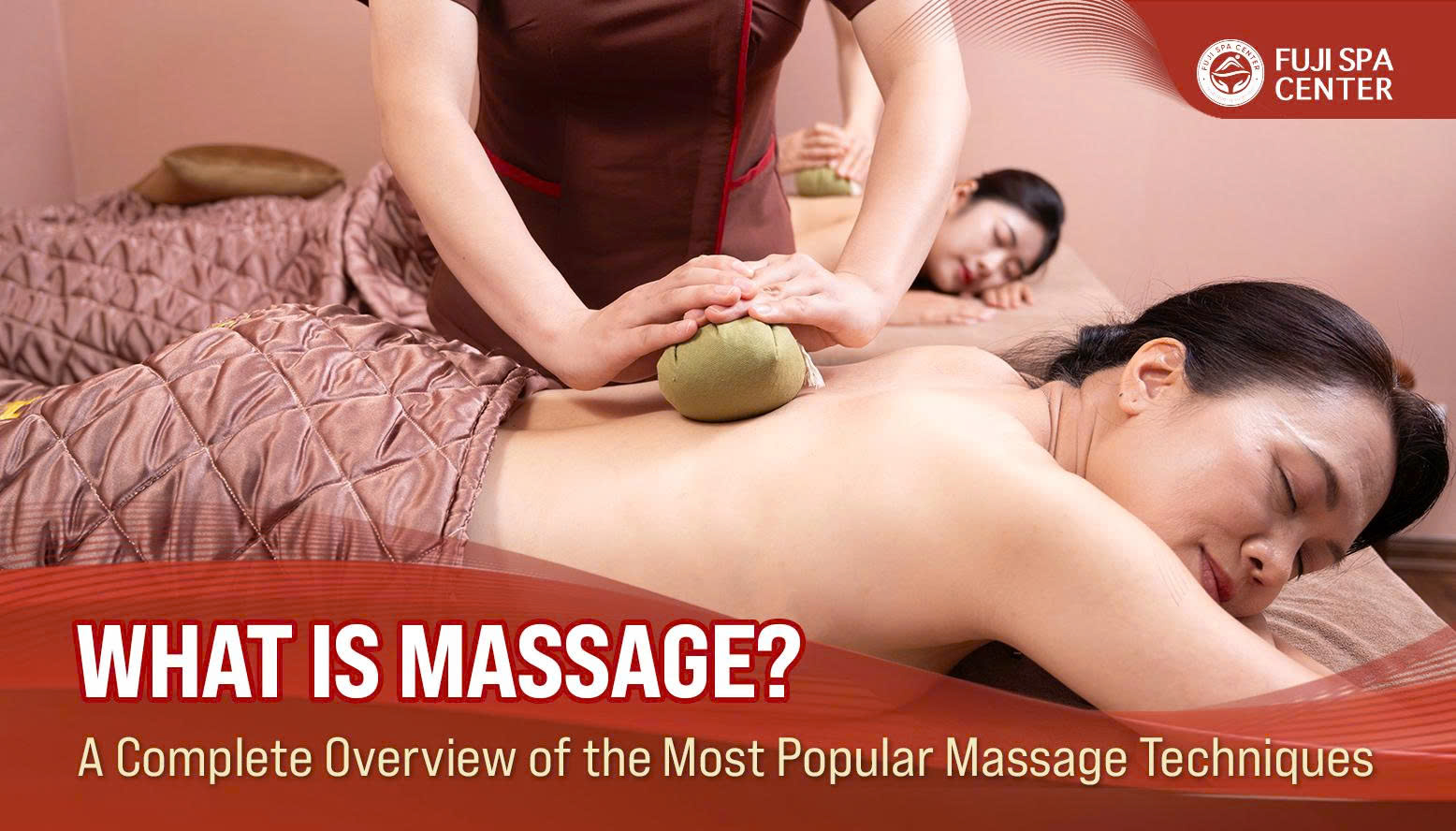
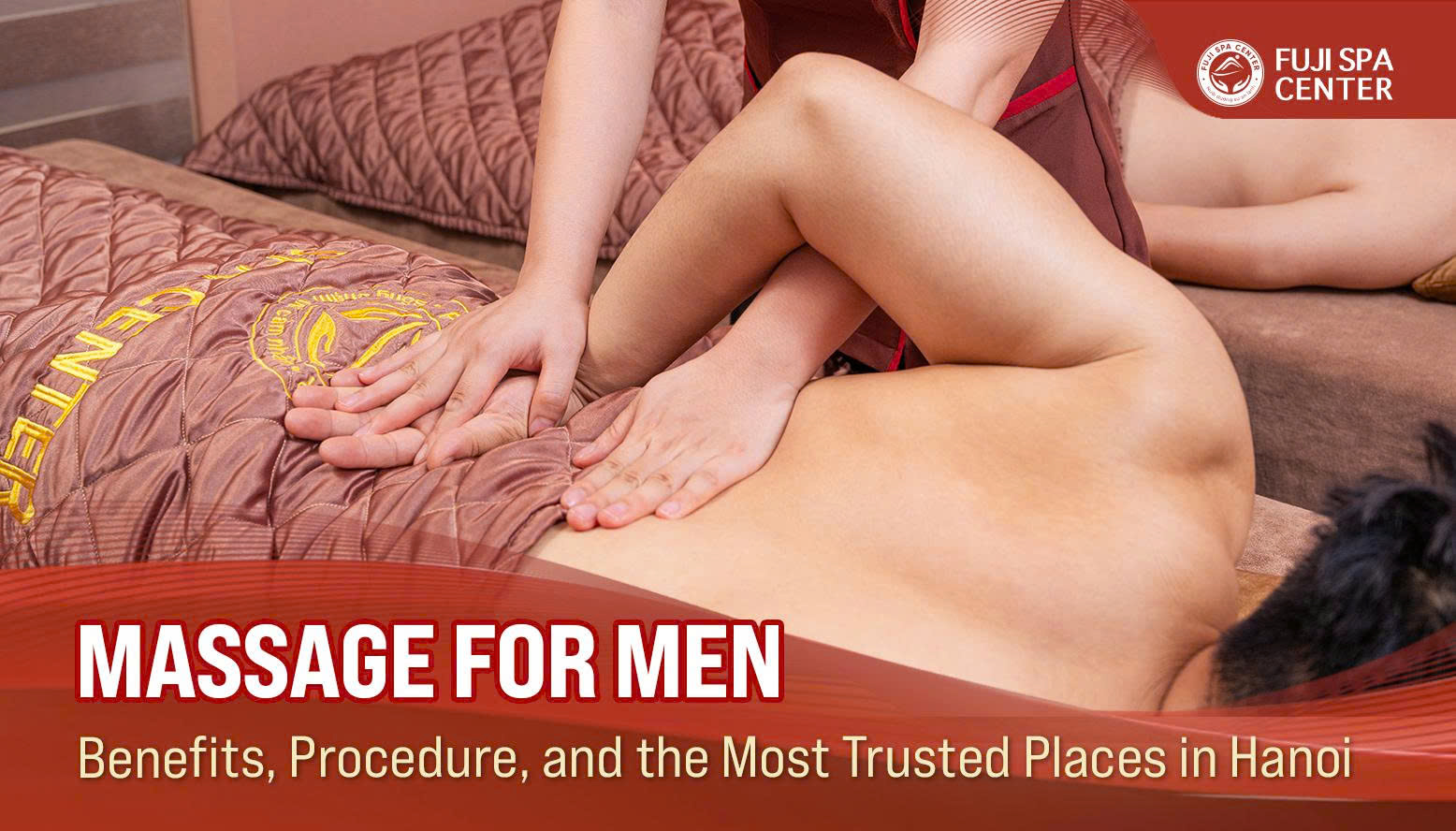
Massage is a therapeutic technique that involves using the hands to knead, press, and stimulate pressure points and muscles. It helps promote blood circulation, relax muscles, and bring comfort to the body. If you’re feeling stressed, a massage focusing on the neck, shoulders, and nape can alleviate pain and release tension and anxiety.
Massage is a therapeutic technique that involves using the hands to knead, press, and stimulate pressure points and muscles.
3.10. Listen to music
Music helps relax the brain, regulate blood pressure, and reduce stress hormones. Choose soft, instrumental music for the best relaxation effect.
3.11. Use essential oils
The scent of essential oils can stimulate the nervous system, easing fatigue and uplifting your mood. Lavender, chamomile, and sandalwood oils are particularly effective.
3.12. Burn scented candles
Scented candles can also help reduce stress and improve sleep. Opt for soothing scents like rose, lavender, and orange blossom.
3.13. Practice mindfulness
Mindfulness helps you stay present and avoid regrets about the past or worries about the future.
In conclusion, there are many ways to reduce stress, from exercising and meditating to simply talking with friends. Choose the method that best suits you. If these methods don’t work, consider consulting a psychologist for professional advice.
————————–
Fuji Wellness Center – Crafting a Healthy Lifestyle and Long-Lasting Wellness