


Head, neck, shoulder treatments: The Most Popular and Effective Methods of 2024
Do you often experience pain, stiffness, or discomfort in your neck, shoulders, and upper back? These pains not only cause discomfort but also affect your daily quality of life. Physical therapy for the neck, shoulders, and upper back is one of the most popular and effective methods for alleviating neck and shoulder pain. However, not everyone with these symptoms can benefit from this method. Let’s explore important information about cervical, shoulder, and neck physical therapy and popular therapeutic methods in the following article!
1. What You Need to Know About Neck and Shoulder Pain
Neck and shoulder pain occurs due to muscle strain in the neck and shoulders, leading to discomfort and impacting mobility when turning your head or neck. This condition often appears in the morning and is related to the musculoskeletal system, blood vessels, and ligaments in the area.
Symptoms related to neck and shoulder pain may include:
- Mild pain, discomfort, localized pain in the middle of the shoulder or neck, or pain radiating across the shoulder and neck.
- Sharp pain that comes and goes, possibly spreading to the shoulder, arm, or hand.
- Stiffness in the neck and shoulder area, limiting movement when raising the arm or turning the head.
- Tingling or numbness spreading to the shoulder, arm, or hand.
- Pain worsening with certain positions or activities, such as lying down, sitting, or turning the head.

Common causes of neck and shoulder pain include: overexertion during physical activities, degeneration, herniated discs in the cervical spine, brachial plexus neuropathy, poor posture, lack of nutrition, fatigue, and stress. This pain often affects:
- Office workers, drivers, and individuals involved in heavy labor.
- People affected by external factors or pathological conditions such as cervical spondylosis, tuberculosis, cancer in the neck area, or herniated discs.
- Individuals with congenital abnormalities in the neck and shoulder area.
To avoid complications, neck and shoulder pain should be treated early and appropriately.
2. What is Cervical, Shoulder, and Neck Physical Therapy?
Cervical, shoulder, and neck physical therapy is a treatment method considered to have minimal side effects for acute and chronic neck and shoulder pain. This non-invasive therapy aims to improve joint stiffness, reduce pain, and stretch affected muscles.
So, what are the benefits of cervical, shoulder, and neck physical therapy? Some benefits include:
- Pain and Stiffness Relief: Physical therapy programs and exercises help reduce pain in affected areas and accelerate recovery.
- Muscle Strengthening: Physical therapy strengthens the muscles in the affected area.
- Improved Range of Motion: Exercises and programs improve the range of motion in the neck and back.
- Injury Prevention: Physical therapy helps prevent pain recurrence and injuries effectively.
3. When Should You Apply Cervical, Shoulder, and Neck Physical Therapy?
Neck and shoulder pain can be categorized into three levels: mild, moderate, and severe. According to Hong Ngoc Hospital, different levels require different approaches. Physical therapy is recommended if you experience:
- Persistent or recurrent neck and shoulder pain affecting daily life.
- Recovery from cervical spine injuries or prolonged joint pain and stiffness.
- Improvement in neck and shoulder pain and stiffness following spine surgery, enhancing neck and shoulder function.
Additionally, cervical, shoulder, and neck physical therapy may be recommended as part of treatment programs for other conditions. However, physical therapy is contraindicated in cases where:
- The spine has issues such as fractures, degenerative changes causing spinal cord compression, etc.
- The patient has serious conditions like tumors or infections.

4. Popular Methods of Cervical, Shoulder, and Neck Physical Therapy
Currently, there are two popular physical therapy methods for the neck and shoulders: exercise therapy and physical agent therapy. Exercise therapy involves body movements through various exercises, while physical agent therapy does not require body movement.
4.1. Exercise Therapy
Exercise therapy involves performing movements and stretching exercises independently. The goal is to improve flexibility, muscle strength in the neck and shoulders, support pain reduction, and alleviate spinal stress.
Common exercises include:
- Neck Stretching: This exercise stretches the muscles adjacent to or directly attached to the cervical spine.
- Strengthening Exercises: These improve neck and back muscle function, support the spine, enhance posture, and build strength.
- Aerobic Exercises: Activities like cycling, swimming, or brisk walking increase blood flow and heart and lung function.
- Aquatic Therapy: Water-based exercises reduce spinal pressure while allowing muscles to work effectively. This is often used for severe neck or back pain.

4.2. Physical Agent Therapy
Physical agent therapy does not require body movement. Common methods include:
- Heat and Cold Packs: Heat helps improve blood flow and relax tight muscles. Alternating between heat and cold may be effective depending on the condition. This therapy is used to reduce swelling and pain.
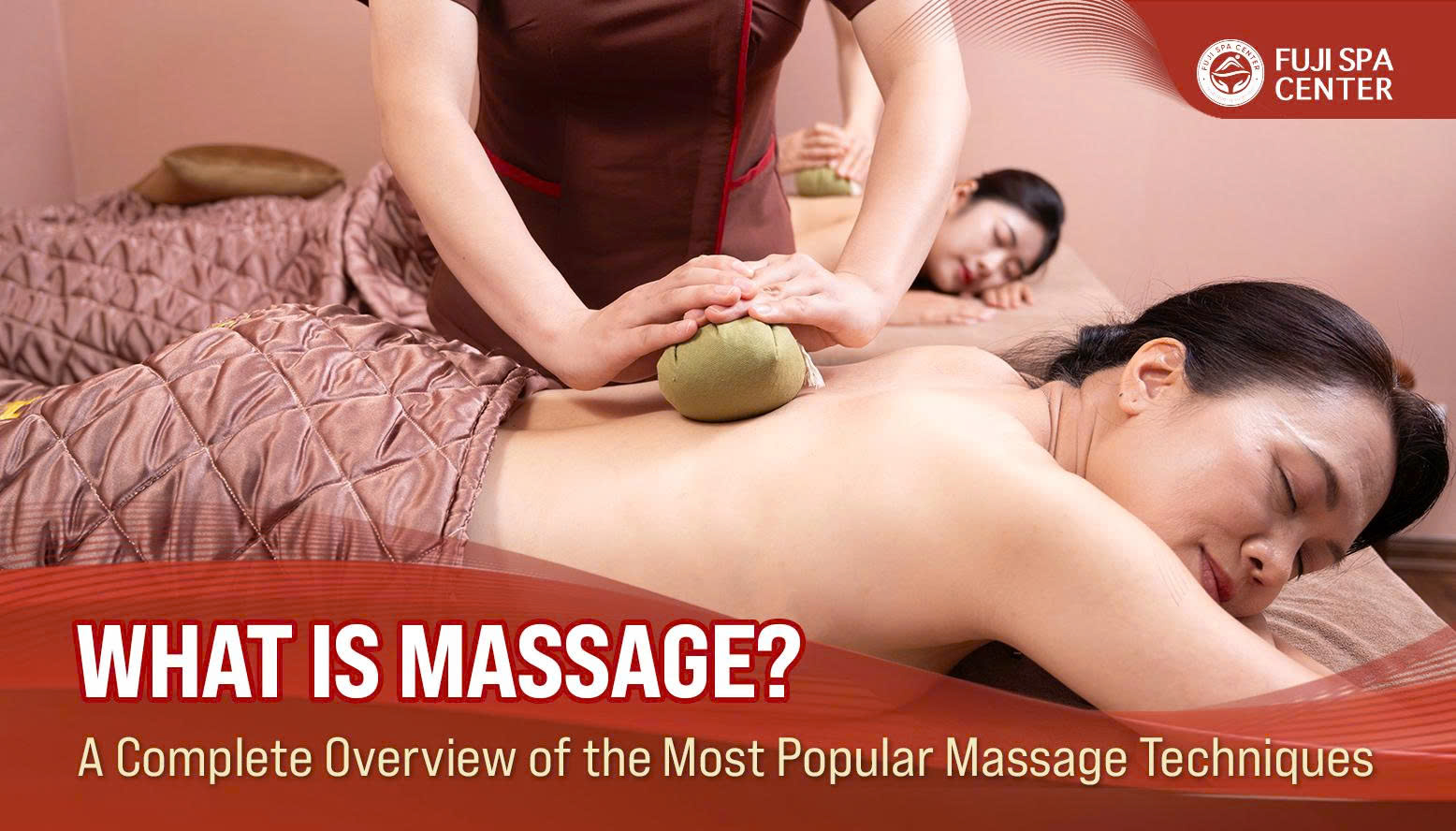
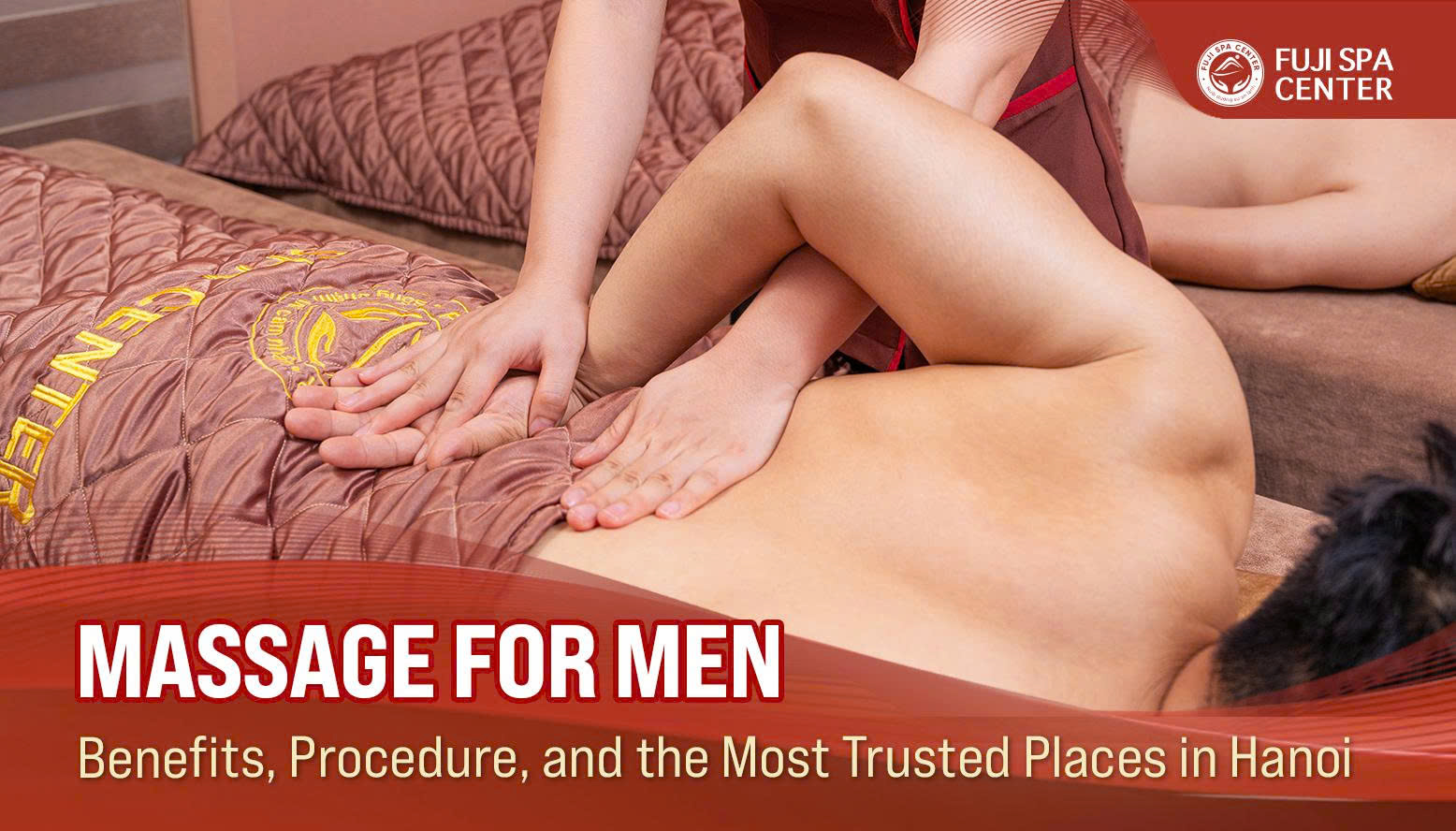
- Massage Therapy: This helps relax muscles, reduce pain, and improve joint stiffness. Massage is typically performed on the neck, shoulders, and back.
- Electrical Stimulation: This therapy promotes tissue healing, muscle contractions, and pain relief using electrical currents directed at the affected area.
- Ultrasound Therapy: This involves applying gel to the swollen or painful area and using a handheld device to deliver sound waves into the tissue, providing muscle relaxation and pain relief.
- Shockwave Therapy: This supports the recovery of chronic injuries and tendinitis using mechanical wave principles.
- Targeted Radiofrequency: This reduces swelling and muscle spasms through radio wave effects.
- Superconducting Magnetic Therapy: This aids in joint mobility, muscle stimulation, and pain relief by depolarizing nerve muscles.
- Cervical Spine Traction: This therapy reduces pain, stretches muscles, and corrects spinal disorders using mechanical principles.

5. Choosing the Right Cervical, Shoulder, and Neck Therapy Method
Each person’s neck and shoulder pain level varies. Therefore, to choose the appropriate physical therapy method, you should consider:
- Assessing Pain Severity: Determine the severity of your neck and shoulder pain and signs to choose the most suitable treatment method.
- Identifying Pain Causes: As mentioned earlier, pain may arise from various causes such as overexertion, degeneration, herniated discs, brachial neuropathy, etc. Identifying the cause helps in selecting the appropriate treatment.
- Consulting a Specialist: For severe cases, consult a specialist for the most effective and optimal treatment method.
6. Home Care Guidelines
To achieve effective treatment for neck and shoulder pain, proper rest and home care are essential. Pay particular attention to nutrition, maintaining proper posture, and improving work habits.
6.1. Proper Rest and Relaxation
To alleviate neck and shoulder pain, limit excessive activity and work. Instead, allocate more time for rest. Neck and shoulder pain is often mechanical, increasing with spinal movements, incorrect neck positioning, excessive walking, or prolonged sitting.
6.2. Appropriate Nutrition
Proper nutrition supports the recovery of damaged tissues. To aid in effective neck and shoulder treatment, consider the following foods:
- Vitamin C-rich Fruits and Vegetables: Vitamin C promotes collagen production, strengthening muscles, tendons, and bones, and facilitating rapid tissue repair. Found in fruits and vegetables like grapefruit, oranges, tangerines, kiwi, and broccoli.
- Vitamin A-rich Fruits and Vegetables: Vitamin A boosts white blood cell production to combat viruses and infections, supporting faster recovery. Found in foods like sweet potatoes, spinach, and carrots.
- Calcium-rich Foods: Calcium plays a crucial role in nerve signaling and muscle contraction. Supplementing with calcium helps in faster recovery. Sources include tofu, okra, milk, and seaweed.
- Vitamin D-rich Foods: Vitamin D enhances calcium absorption, speeds up tissue repair, and strengthens ligaments. Found in salmon, sardines, mushrooms, cereals, egg yolks, and soy milk.
- Protein-rich Foods: Protein strengthens and builds muscle mass. Supplementing with protein-rich foods benefits the body, especially when dealing with neck and shoulder pain. Options include poultry, fish, soybeans, and peas.

Besides a proper diet, ensure adequate hydration to support blood circulation and maintain healthy intervertebral discs. Aim for 2 to 2.5 liters of water daily for effective pain relief.
6.3. Maintaining Proper Posture
To improve neck and shoulder pain, maintain correct posture when sitting, standing, and lying down. For sitting posture:
- Adjust Chair Height: Ensure feet are flat on the floor and adjust the chair height so that hips and knees are at right angles, with thighs and arms parallel to the ground.
- Maintain Proper Sitting Posture: Keep feet flat on the floor, sit comfortably, with knees at right angles, chest forward, and shoulders relaxed. Avoid crossing legs for better blood circulation.
- Use a Lumbar Support Cushion: A lumbar support cushion helps support the lower back, keep the pelvis forward, and maintain a straight spine.
For standing posture:
- Align Your Head: Keep your head level with your body.
- Stand Straight: Engage your core muscles.
- Foot Position: Keep feet shoulder-width apart.
- Relax Your Arms: Let your arms hang naturally by your sides.
- Shift Weight: If standing for long periods, shift weight from toes to heels or alternate legs.
In cases where you have to stand for extended periods, shift your weight from your toes to your heels, or alternate your weight between one foot and the other.
Proper sleeping posture can also help improve neck and shoulder pain. Consider the following sleeping positions:
- Avoid sleeping on your stomach; it’s better to sleep on your back or side.
- Choose a pillow with appropriate softness and height; it should keep your neck aligned with your head.
- Avoid overly soft mattresses; opt for one with good support and resilience.
6.4. Improving Workplace Habits
If you work in an office and sit for long hours, it can lead to neck and shoulder pain. To improve this situation, consider the following solutions:
- Adjust your chair to a comfortable sitting position, with your feet flat on the ground and your hips higher than your knees.
- Position your arms parallel to your desk to reduce pressure on your spine, joints, and shoulder muscles.
- Perform some light exercises at your chair: After sitting for 30 minutes to an hour, take a break and do gentle stretches, such as twisting your torso in your chair, swiveling side to side, or standing up and sitting down 5 to 10 times.

6.5. Stress Relief
When your mind is relaxed and stress is alleviated, the tension in your neck and shoulders can also improve. Therefore, you might consider relaxing in various ways, such as practicing yoga, meditation, massage, using essential oils, or listening to calming music.
This article has shared important information about neck and shoulder therapy and popular physical therapy methods. We hope that through this article, you will find useful solutions to alleviate neck and shoulder pain. For the best treatment results, combine physical therapy with proper posture adjustments, regular exercise, and a healthy lifestyle with a balanced diet. For severe cases, consult a doctor for timely advice and treatment.
Don’t let neck and shoulder pain affect your quality of life. Start your healing journey by learning and treating today!
————————–
Fuji Wellness Center – Crafting a Healthy Lifestyle and Long-Lasting Wellness
Book an appointment now: m.me/1124150544320524
- Facebook: https://www.facebook.com/Fujispacenter/
- Youtube: https://www.youtube.com/@fujispacenter
- Tiktok: https://www.tiktok.com/@fuji.spa.center