


Lower Back Pain: Causes and 5 Effective Treatments Not Everyone Knows!
Lower back pain is a condition that many people are currently facing. Most people tend to believe that lower back pain is merely due to poor posture or overexertion. In reality, lower back pain can be a symptom of more serious underlying conditions. So, what are the causes of lower back pain? What are the effective treatments for it? How can this condition be prevented? Let’s explore these questions with Fuji Wellness Center in the article below!
Mục lục bài viết
ToggleLower Back Pain1. What You Need to Know About Lower Back Pain
The lower back plays a vital role in the human body, supporting the upper body and enabling flexible movement. It also serves as a crucial link in the nervous system, transmitting signals from the brain to the legs, facilitating motion. Those suffering from lower back pain may experience dull or intense pain, constant fatigue, and significant disruptions to daily life.
Lower back pain can occur at any age. However, it is most common among pregnant women, overweight individuals, people who frequently carry heavy bags or backpacks, those who rarely exercise, and individuals with physically demanding jobs.

People with lower back pain often experience a dull or sharp pain, fatigue, and disruption to their daily routines. The pain may be associated with muscles, ligaments, the spine, or nerves. Chronic lower back pain can lead to discomfort in surrounding areas such as the hips and legs. If the condition lasts less than six weeks, it is considered acute. Pain lasting between six and twelve weeks is categorized as subacute, while untreated or undiagnosed pain can become more severe.
Common symptoms of lower back pain include:
- Dull or sudden pain in the lower back.
- Pain after injury, falls, prolonged sitting or standing, or heavy lifting.
- Pain radiating to the buttocks, thighs, or even the legs, accompanied by tingling or numbness.
- Pain spreading to the muscles beside the spine or toward the abdomen.
- Increased pain with physical movement, bending, or prolonged sitting or standing.
2. Causes of Lower Back Pain
Lower back pain can arise from various causes, primarily categorized into mechanical, inflammatory, infectious, and other causes.
2.1. Mechanical Causes
2.1.1. Lumbar Spine Degeneration
This chronic bone disease occurs due to the degeneration of spinal discs and vertebrae. While more common in the elderly, this condition is becoming more prevalent among younger individuals. It typically affects weight-bearing areas such as the cervical and lumbar spine. Lumbar spine degeneration leads to persistent, dull pain that worsens with movement, especially when lifting heavy objects, bending, standing, or sitting for long periods.
2.1.2. Lumbar Disc Herniation
A lumbar disc herniation occurs when the nucleus of a spinal disc protrudes, compressing nearby nerves and causing nerve root disease. Symptoms include dull lower back pain that worsens with movement and may extend to the hips, thighs, calves, and feet. Severe cases can compress the spinal cord, leading to leg weakness, loss of sensation, and urinary issues.
2.1.3. Spinal Stenosis
Spinal stenosis refers to the narrowing of the spinal canal, which compresses the spinal cord and nerve roots. Common among individuals over 50, this condition causes lower back pain, particularly during movement, and can lead to numbness and burning pain in the hips and thighs due to nerve compression.
2.1.4. Osteoporosis
Osteoporosis results from a reduction in bone mass and quality, lowering bone density and increasing the risk of fractures. Common in the elderly and postmenopausal women, osteoporosis can lead to sudden or gradual lower back pain, sometimes without any trauma. Severe cases may compress the spinal cord, causing leg weakness and sensory loss.

2.1.5. Non-Specific Lower Back Pain
Non-specific lower back pain arises from muscle strain in the muscles surrounding the spine, often caused by repetitive movements or injuries.
2.1.6. Spinal Injuries
Spinal injuries can range from muscle strains to more severe conditions such as lumbar disc herniation or vertebral fractures, which may compress nearby nerves, causing back pain or sciatica.
2.2. Inflammatory and Infectious Causes
2.2.1. Ankylosing Spondylitis
This condition, common in young men, causes chronic lower back pain and hip pain, especially in the early morning or during rest. As the disease progresses, it can limit spinal mobility.
2.2.2. Vertebral Osteomyelitis
This infection of the spine causes nighttime or rest-related lower back pain, often accompanied by fever and fatigue. It is common in individuals with compromised immune systems, those undergoing spinal procedures, or patients with conditions like diabetes, tuberculosis, or HIV.
2.2.3. Cancer
Lower back pain can also be a sign of cancer metastasizing to the lumbar spine. For older adults or those with a history of cancer who experience unexplained weight loss, this possibility should be carefully considered.
Lower back pain due to cancer is often dull and persistent, worsening during rest or at night. Additionally, it may be accompanied by symptoms such as nerve root compression, with pain radiating to the buttocks, thighs, or legs.
2.2.4. Non-Skeletal Conditions
Lower back pain can also stem from conditions unrelated to the bones and joints, such as:
- Kidney Issues: Kidney stones or ureteral stones may cause pain in the lower back and hip area, along with symptoms like painful urination or blood in the urine.
- Appendicitis: If you’re experiencing lower back pain, accompanied by severe abdominal pain, fever, and nausea, it could indicate appendicitis.
- Pancreatitis: Besides symptoms like upper abdominal pain and frequent vomiting, pancreatitis may cause lower back pain.
- Gynecological Conditions: Severe lower back pain, irregular menstruation, and abnormal vaginal bleeding may signal conditions such as vaginitis or cervicitis.
2.3. Other Causes
Other conditions that can cause lower back pain include:
- Kidney diseases: Kidney stones or ureteral stones may cause pain in the lower back and hips, along with painful or bloody urination.
- Appendicitis: Lower back pain accompanied by severe abdominal pain, fever, and nausea could indicate appendicitis.
- Pancreatitis: This condition causes upper abdominal pain with nausea and vomiting, and it may also cause lower back pain.
- Gynecological issues: Severe lower back pain, irregular menstruation, and vaginal bleeding can indicate conditions such as vaginal inflammation or cervical inflammation.
3. Diagnosing Lower Back Pain
Diagnostic methods for lower back pain include blood tests, X-rays, MRIs, CT scans, electromyography (EMG), and bone density tests.
- Blood Tests: This method is used to assess inflammation in the body when lower back pain is suspected to be caused by infection, inflammation, or cancer. X-ray: An X-ray will reveal abnormalities in the lumbar spine, such as spinal degeneration, characterized by bone spurs, subchondral sclerosis, vertebral fractures, or vertebral slippage.
- MRI (Magnetic Resonance Imaging): This highly accurate method detects abnormalities in soft tissues, such as ligaments, discs, and muscles. It is often used when infection, metastatic cancer, or prolonged back pain is suspected.
- CT Scan: A CT scan provides detailed images of the spine from multiple angles, helping to identify internal bone damage. Electromyography (EMG): This test measures electrical impulses generated by nerves to detect nerve compression. Bone Density Test: This test assesses whether you have osteoporosis, enabling the creation of a suitable treatment plan.
4. Treatments for Lower Back Pain
Popular treatments include home care, medication, therapeutic massage, physical therapy, and surgery.
4.1. Home Care
Home care measures should be applied within the first 72 hours of pain onset:
- Avoid strenuous physical activity.
- Apply ice to the affected area.
- Try lying on your side with bent knees and a pillow between your legs.
- Take warm baths and massage the sore area.

4.2. Medication
If over-the-counter pain relievers are ineffective, stronger medications such as NSAIDs, muscle relaxants, or nerve pain medications may be prescribed by a doctor.
4.3. Therapeutic Massage
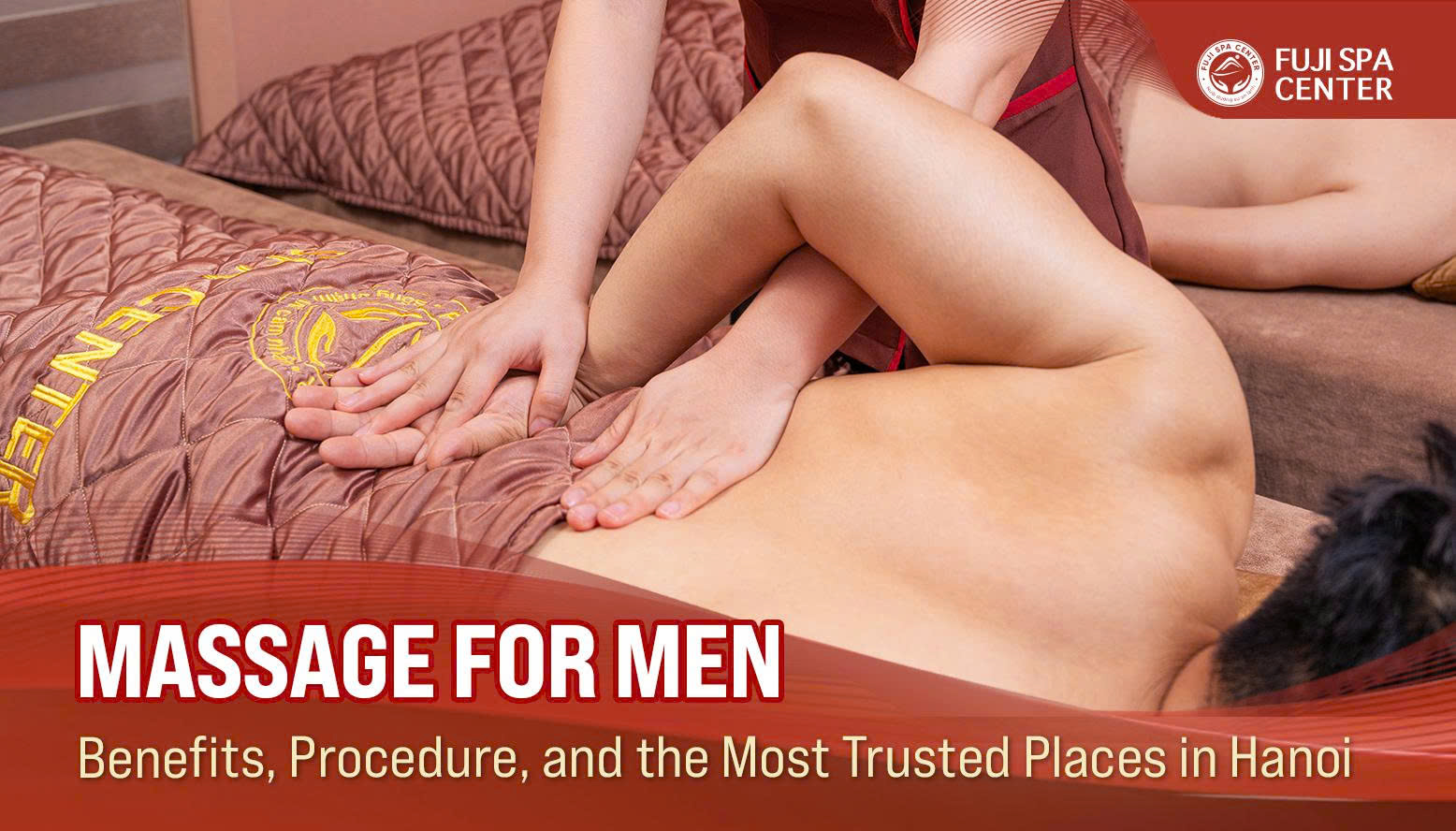
Therapeutic massage not only alleviates lower back pain but also reduces physical fatigue, relieves stress, improves sleep, and offers numerous health benefits. During therapeutic massage, technicians at the center will target specific acupressure points such as Da Chang Shu and Huan Tiao, combining this with muscle-relaxing techniques, hot stone therapy, essential oils, and herbal compresses to achieve optimal results.

4.4. Physical Therapy
Physical therapy may involve ultrasound, laser therapy, or electrical stimulation to relieve pain. Once the pain subsides, strengthening exercises for the core and back muscles are often recommended.
4.5. Surgery
Surgery may be required for severe cases that do not respond to other treatments. Common procedures include removing herniated disc material or using heat therapy to repair damaged discs.
5. Preventing Lower Back Pain
Prevention measures include maintaining a balanced diet rich in calcium, magnesium, and potassium, managing body weight through exercise, scheduling regular breaks to reduce stress, and undergoing regular health check-ups every six months.
In summary, lower back pain can result from various causes. If home remedies prove ineffective, it is crucial to consult a healthcare provider for early diagnosis and treatment. Additionally, maintaining a healthy lifestyle, including proper nutrition and regular exercise, can help prevent and manage lower back pain.
————————–
Fuji Wellness Center – Crafting a Healthy Lifestyle and Long-Lasting Wellness
Book an appointment now: m.me/1124150544320524
- Facebook: https://www.facebook.com/Fujispacenter/
- Youtube: https://www.youtube.com/@fujispacenter
- Tiktok: https://www.tiktok.com/@fuji.spa.center