


Neck and Shoulder Pain: Causes and the Most Effective Remedies!
Neck, shoulder, and back pain can affect people of various ages, causing discomfort and disrupting daily life. What exactly causes this pain? How can we prevent it, and what are the most effective treatment methods? Let’s explore these questions with Fuji Wellness Center through the article below!
Mục lục bài viết
Toggle1. What is Neck, Shoulder, and Back Pain?
Neck, shoulder, and back pain refer to the stiffness of muscles in the neck area, causing discomfort and limiting the range of motion when turning the neck or head. This pain typically occurs in the morning and is closely related to the musculoskeletal system and blood vessels in the affected area.
Some common symptoms of neck, shoulder, and back pain include:
- Pain after heavy work, waking up, or sitting for extended periods in the same position.
- Pain increases when sitting for too long, sneezing, moving, turning the neck, or when the weather changes.
- Pain radiates from the shoulder to the arm, making the arm and shoulder feel heavy, difficult to move, or numb.
- Stiffness in the shoulder and arm when touched.
- Pain when sleeping on one side.
- Other possible symptoms include dizziness, tinnitus, and vertigo.
 Neck, shoulder, and back pain refer to the stiffness of muscles in the neck area, causing discomfort and limiting the range of motion when turning the neck or head.
2. Causes of Neck, Shoulder, and Back Pain
Various factors can lead to neck, shoulder, and back pain, including:
- Cervical disc herniation
- Cervical spondylosis
- Muscle strain
- Brachial plexus nerve inflammation
- Incorrect posture during activities
2.1 Cervical Disc Herniation
When a disc in the lower cervical spine herniates, the pain in the scapula area may be accompanied by neck pain. Common symptoms include tingling, burning sensations, and numbness in the neck and shoulder area.
2.2 Cervical Spondylosis
As we age, the cervical spine may degenerate, narrowing the spaces between the vertebrae and potentially inflaming or compressing the spinal nerves, leading to pain radiating from the neck to the shoulders.
2.3 Muscle Strain
Muscle strain occurs when the muscles in the neck, shoulder, and back area are overstretched, resulting in stiffness and pain. If the strain is isolated to one area, the pain can still spread to surrounding regions.
2.4 Brachial Plexus Nerve Inflammation
This condition causes sharp, electric shock-like pain, usually affecting one shoulder or arm but potentially extending to the neck. Symptoms may include tingling, numbness, and weakness in the hand and arm.
2.5 Incorrect Posture
Prolonged poor posture, such as sitting or standing incorrectly, can lead to muscle and tendon strain in the neck and shoulder area.

Some incorrect postures include:
- Sitting in front of a computer or phone with your head tilted back or your neck strained forward.
- Stacking too many pillows or sleeping on a pillow that’s too high.
- Suddenly jerking your neck during exercise.
3. Prevention of Neck, Shoulder, and Back Pain
To effectively prevent neck, shoulder, and back pain, you can implement several strategies:
- Maintain proper posture
- Exercise regularly
- Avoid activities that put excessive pressure on the neck and shoulders
- Adopt a nutritious diet
- Relieve stress

3.1. Maintain proper posture
You can effectively prevent neck, shoulder, and back pain by maintaining proper posture when sitting, sleeping, walking, using a computer, or using a phone. Keep your neck straight and avoid bending it for too long.
Here are some helpful exercises to help align your body into the correct posture:
Step 1: Stand with your back against a wall, aligning your shoulders, hips, and heels with the wall.
Step 2: Move your palms up the wall as high as possible, then bring them down.
Step 3: Repeat this movement about 10 times and then move forward.
3.2. Exercise regularly
Regular exercise helps relax the neck, shoulder, and back areas. During exercise, make sure to follow the correct techniques to avoid overstraining muscles, tendons, or ligaments, which can have negative effects. Additionally, you should choose exercises that match your physical condition and strength.
3.3. Avoid activities that put pressure on the neck and shoulders
Repeated activities or sitting for long periods can cause stress and pressure on the neck and shoulder area, leading to discomfort and pain. To avoid this, try to stand up and move around every 30 minutes when working.
Additionally, to prevent stress on the neck and shoulders, consider these solutions:
- Use a chair of appropriate height that supports the neck and shoulders.
- Avoid holding the phone between your shoulder and neck.
- Don’t carry heavy objects.
3.4. Follow a proper nutrition plan
Make sure to eat a balanced diet and include essential minerals like potassium, calcium, and vitamins B, C, E, etc. Some foods that can help with neck and shoulder pain include broccoli, okra, plant-based milk, salmon, ginger, turmeric, tomatoes, and carrots. On the other hand, avoid foods like animal organs, alcohol, red meat, fast food, sweets, and refined carbohydrates if you’re experiencing neck and shoulder pain.
3.5. Relieve stress
Frequent stress is also a major cause of headaches and neck and shoulder pain. To effectively relieve stress, try meditation, yoga, or listening to gentle music to relax. Additionally, balance your work and rest time to allow your body to recover.
4. Treatment Methods for Neck, Shoulder, and Back Pain
With modern technological advancements, there are numerous treatment methods for neck, shoulder, and back pain. For mild cases, home remedies such as warm or cold compresses, exercises, and therapeutic massage may be effective. In more severe cases, medication, physical therapy, or surgery may be necessary.
4.1. Home Remedies
For early-stage pain, limit neck movements and sports activities. Apply cold compresses to reduce swelling and stiffness, and after the initial few days, switch to warm compresses to alleviate pain.
4.2. Exercises
Specific exercises that stretch and strengthen muscles can improve circulation and alleviate pain. These include neck rotations, chest stretches, and side bends.
4.2.1. Neck Rotation
Neck rotation gently stretches the muscles, relieving tension in the neck and shoulders. The steps are simple as follows:
Step 1: Slowly turn your head to the left, as if looking over your shoulder.
Step 2: Hold this position for about 5 seconds.
Step 3: Repeat the same movement on the right side.

4.2.2. Chest Expansion
The chest expansion exercise helps fully stretch the back and neck, effectively reducing discomfort and fatigue. You can do this exercise using a chair:
Step 1: Sit relaxed, facing forward, with your upper body not leaning against the chair.
Step 2: Extend both arms above your head to stretch the muscles.
Step 3: Hold the position for 5 seconds, then relax and repeat 3 times.
4.2.3. Side Neck Stretch
This exercise targets the sides of the neck, stretching the muscles and reducing stiffness. The steps are as follows:
Step 1: Sit on a chair or the floor.
Step 2: Place your right hand on top of your head and gently pull it toward the right side.
Step 3: Hold the position for 30-40 seconds, keeping your shoulders relaxed and your back straight.
Step 4: Relax back to the original position and repeat on the left side.
4.2.4. Trapezius Muscle Stretch
This exercise helps relax tight muscles in the neck and shoulders. The steps are simple:
Step 1: Place your right arm behind your back.
Step 2: Use your left hand to grasp your right hand, gently pulling it toward your left foot.
Step 3: Tilt your head to the left and hold for 10-15 seconds.
Step 4: Repeat the exercise on the other side.
4.2.5. Warrior Pose
The Warrior Pose is also easy to do at home. Just follow these steps:
Step 1: Stand tall, step one foot back, and place the other foot forward in a diagonal V-shape.
Step 2: Bend the front knee at a 90-degree angle, lift both arms, and spread them wide, with one arm following the front leg and the other following the back
4.2.6. Thread the Needle Exercise
This exercise helps release muscle tension and brings relief to the neck and shoulders. The steps are as follows:
Step 1: Start in a tabletop position on your hands and knees. Thread your right arm through the space between your left hand and left knee.
Step 2: Slide your arm to the left until your right shoulder and right side of your head rest comfortably on the floor.
Step 3: Inhale and extend your left arm toward the ceiling.
Step 4: Breathe and hold the position for 3-6 breaths.
Step 5: Slowly return to the tabletop position while inhaling.
Step 6: Repeat on the other side.
This exercise helps release muscle tension and creates a sense of ease in the neck and shoulders.
4.2.7. Side Bend Exercise
This exercise helps relieve tension in the neck and back, while strengthening the muscles. The steps are as follows:
Step 1: Stand tall with your hands clasped over your head.
Step 2: Keep your head and neck straight.
Step 3: Slowly bend to the right, then to the left, ensuring your body doesn’t arch backward or forward.
Step 4: Repeat the movement 10 times. You can use hand weights to increase intensity.
4.2.8. Shoulder Shrug and Roll
This deep stretch exercise, when done regularly, helps relieve neck tension and ease headaches. The steps are simple:
Step 1: Slowly shrug your shoulders up and down for about 30 seconds.
Step 2: Rest for a few seconds.
Step 3: Roll your shoulders forward and up toward your ears, then roll them down and back, while pushing your shoulders together.
Step 4: Repeat the movement for half a minute, then reverse the direction.
4.3. Therapeutic Massage
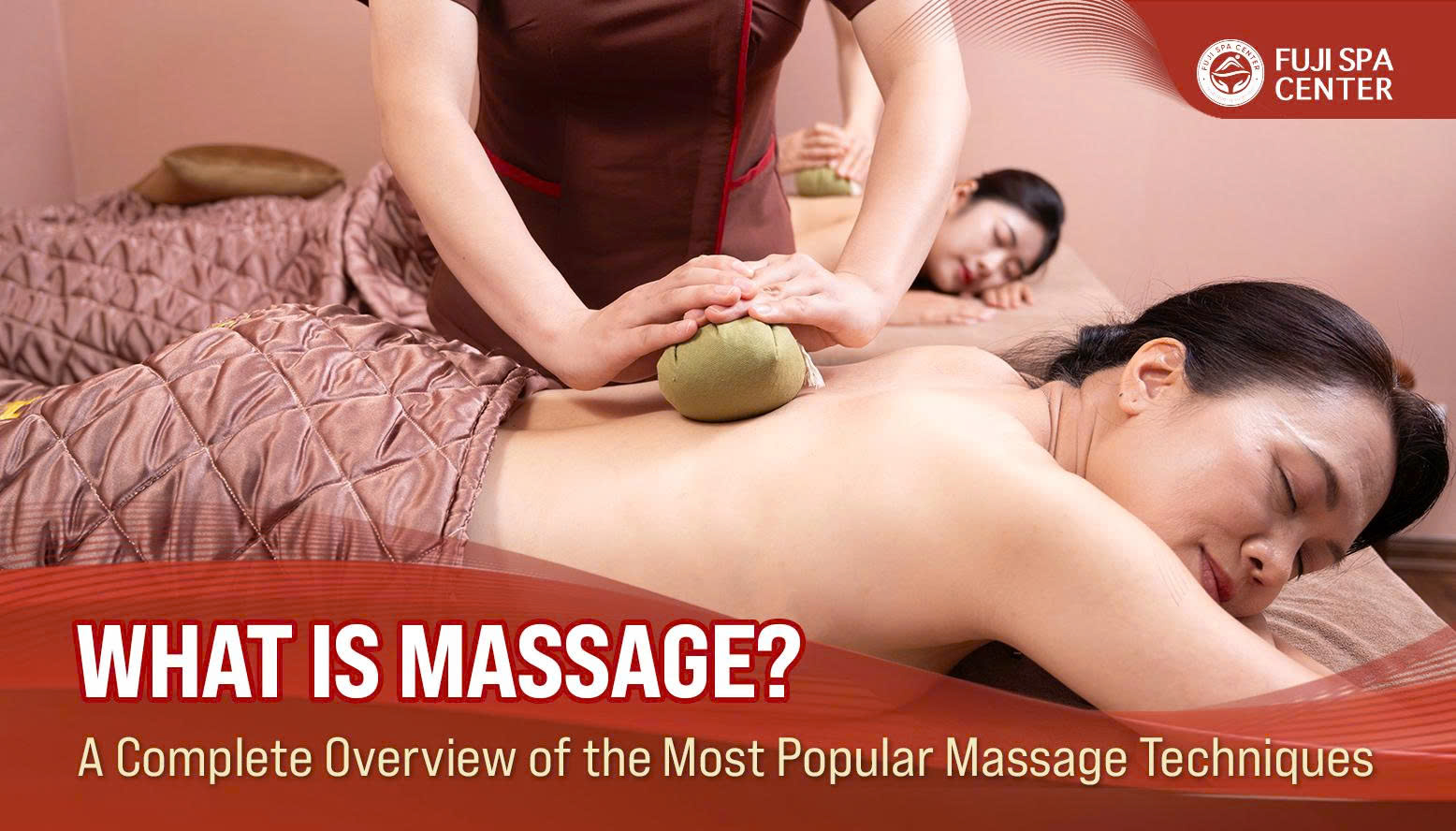
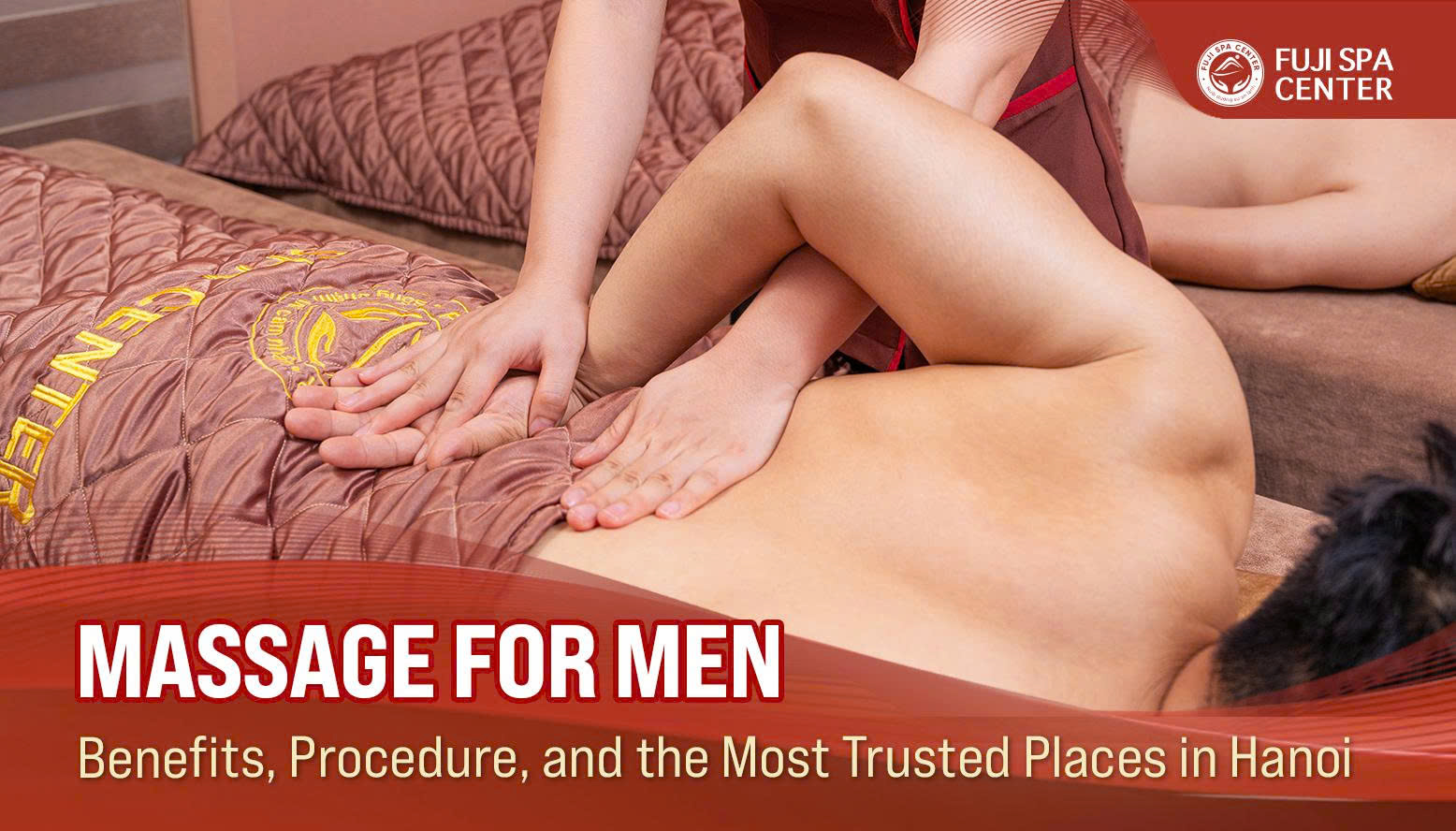
Massage therapy targeting specific pressure points and muscles in the neck and shoulders helps reduce pain, relax muscles, improve circulation, and boost the immune system.
Massage targets the muscles and acupressure points in the neck and shoulder area, such as the A-shi Point, Tianzhu Point, Fengchi Point, etc., offering numerous benefits for both health and physical well-being, including:
- Pain relief: Massage helps alleviate pain and improves the flexibility of muscles and joints in this area.
- Muscle relaxation: Neck and shoulder massage reduces muscle tension and fatigue in the region.
- Improved blood circulation: Massage enhances blood flow, delivering nutrients and oxygen to tissues and muscles, promoting faster recovery.
- Boosted immune system: Neck and shoulder massage stimulates the immune system, increasing resistance to illness.
- Enhanced memory: Massage techniques help improve focus and enhance cognitive function.
- Improved range of motion in the neck and shoulders: Massage and stretching techniques increase muscle flexibility, improving the range of motion in the neck and shoulder area.
- Reduced risk of injury: Neck and shoulder massage helps prevent the recurrence of pain and effectively reduces the risk of injury.

4.4. Medication
For moderate pain, doctors may prescribe pain relievers like Paracetamol, muscle relaxants, or non-steroidal anti-inflammatory drugs (NSAIDs). Always follow a doctor’s guidance when using these medications to avoid side effects.
4.5. Physical Therapy
In severe cases, physical therapy combined with pain-relieving medications may be necessary to address the underlying causes, such as cervical spondylosis or disc herniation.
4.6. Surgery
Surgery may be considered when medication and other treatments no longer provide relief. However, this decision depends on your specific condition and the doctor’s recommendations.
With proper understanding of the causes and timely self-care, neck, shoulder, and back pain can be effectively managed and relieved. Adjusting your posture, exercising regularly, following a balanced diet, and seeking appropriate treatments can restore comfort and well-being to your life.