


Relieve shoulder pain after a round of golf
Golf, a sport often associated with nobility, is pursued by many business professionals. However, shoulder pain after playing golf is almost unavoidable. 80% of amateur golfers and 60% of professional golfers experience injuries at least once. Nevertheless, it’s crucial not to overlook remedial measures to ensure peak performance on the course.

Causes of Shoulder Blade Pain
Golfers can experience injuries for various reasons. Some common issues include:
Improper Training Frequency: Many beginners, driven by enthusiasm, may practice golf beyond the recommended time, neglecting standard practice hours. Continuous swings can cause the shoulder muscles to work persistently, leading to shoulder blade pain and signs of muscle strain after playing.
Incorrect Technique: Every sport has specific technical requirements. Without proper research and execution of the correct movements, players may face dangerous issues and injuries. Shoulder pain can be a result of improper swing techniques.
Inadequate Physical Condition: Some people mistakenly believe that golf doesn’t require much physical effort. Playing golf demands a flexible, strong body to execute swings and hip and shoulder rotations effectively.
Improving Shoulder Blade Pain After Golf
To address shoulder blade pain, players need both immediate and long-term solutions. Key methods include:
Regular Physical Conditioning Exercises
For golfers, physical fitness and flexibility are crucial. Conditioning exercises help build a strong, resilient, and flexible body, reducing the risk of injuries, including shoulder blade pain.
Thorough Warm-Up Before Playing Golf
Not just in golf, but any sport requires a thorough warm-up before starting. Warm-up exercises help loosen the muscles, reducing the risk of muscle strain and cramping. Suitable warm-up routines can be found online or by consulting a coach directly.

Follow the Coach’s Instructions
As amateur players, golfers need to listen to the instructions and advice from their coaches. One should not push themselves too hard or train excessively in order to improve quickly. Overexertion can lead to injuries and burnout, which may cause discouragement.
Design Adequate Rest Time and Nutrition
In addition to training hours, the body needs time to recover and rest. For mild pain, players should rest for 1-2 days. During this period, limit movement and elevate your shoulders and arms while sleeping to reduce pressure and prevent worsening conditions.
Moreover, for daily nutrition, players should include foods rich in vitamins, arginine, magnesium, calcium, and omega-3 to boost resistance. You can improve this through foods like fatty fish, leafy greens, milk, almonds, seafood, and oatmeal.
Full-Body Relaxation and Muscle Recovery with Specialized Neck-Shoulder Massage Therapy
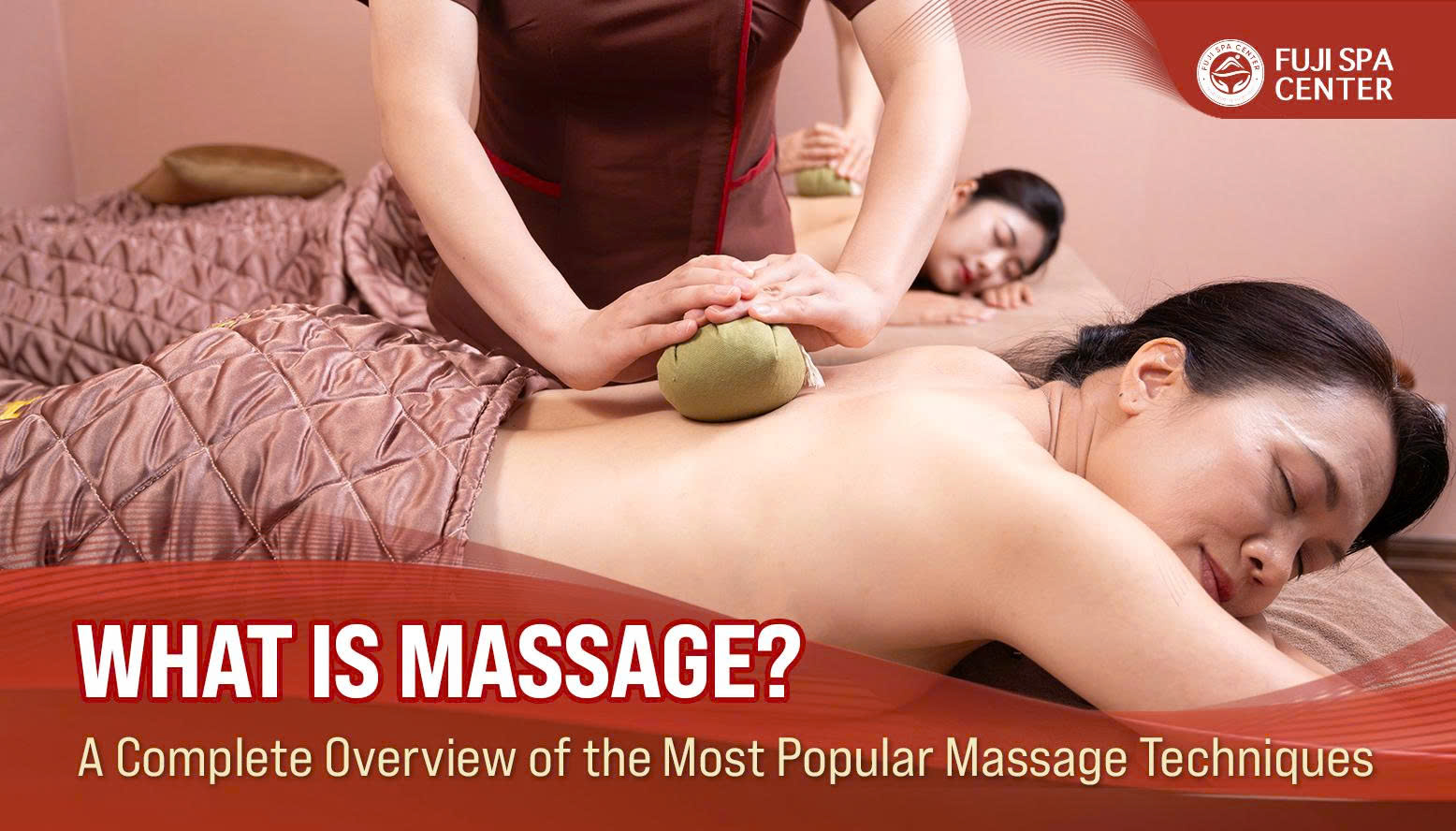
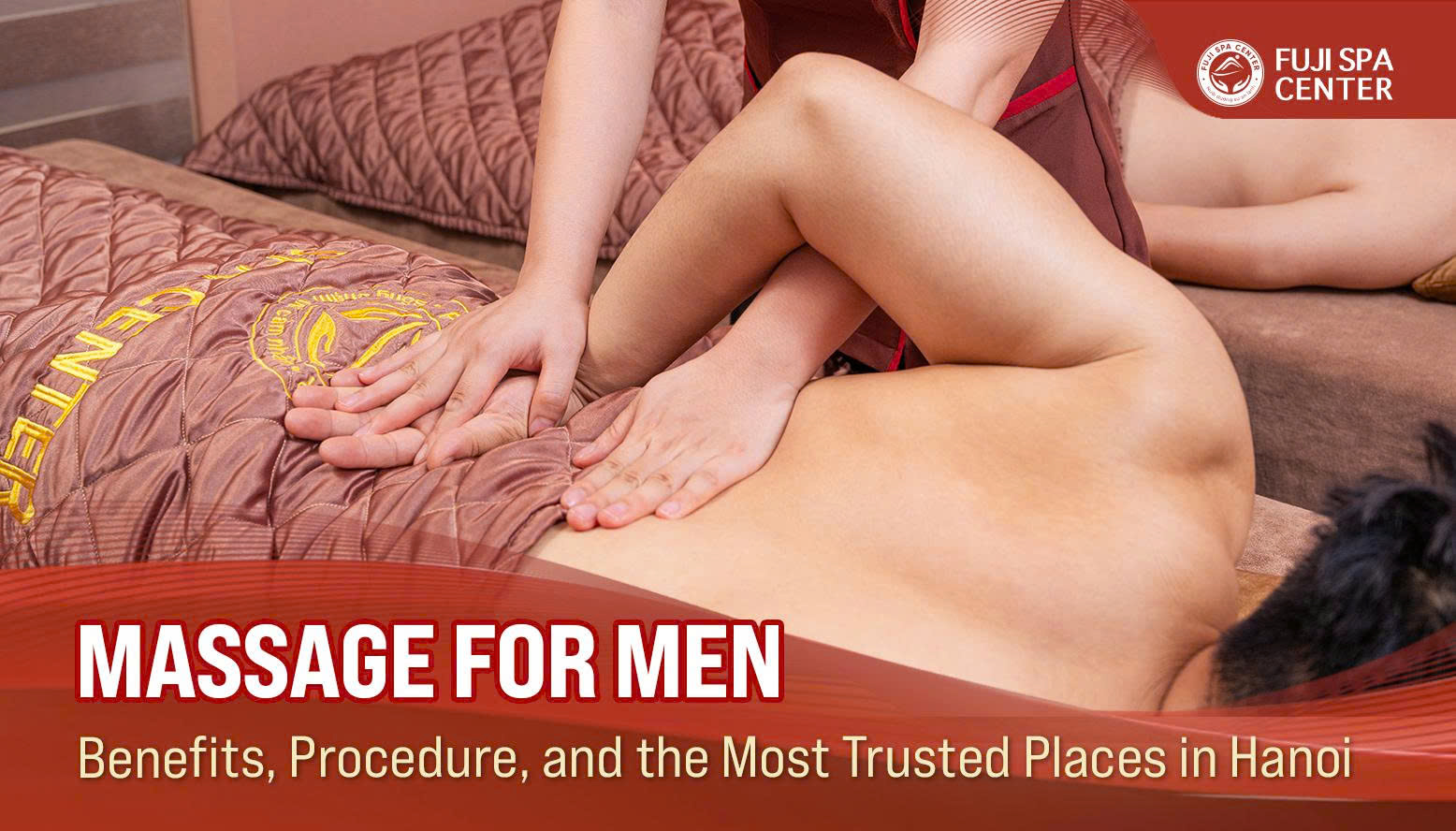
At Fuji Wellness Center, the neck-shoulder massage therapy is specifically designed to meet the recovery and relaxation needs of clients. This therapy combines advanced therapeutic massage techniques to relieve pain, tension, and fatigue in the neck, shoulders, and upper back.
Throughout the session, massage specialists at Fuji Wellness Center will use gentle yet effective movements, combined with techniques such as kneading, acupressure, and stretching to alleviate pain, improve blood circulation, and enhance muscle flexibility. Essential oils and nourishing products used will soothe and nourish the skin, providing a relaxing and comfortable experience.

Besides relieving pain and tension, the treatment also helps improve posture and reduce the risk of injury for those who frequently work in stressful environments or have a habit of sitting for long periods. At Fuji Wellness Center, we are committed to providing professional care, helping you recover quickly and feel a noticeable difference right after each session. Let us take care of you, so you can return to work and your favorite activities comfortably and with renewed energy.