What Does Excessive Hair Loss Signal? Causes and Remedies
24/10/2024
Hair loss is a natural phenomenon, and new hair typically replaces the strands that fall out. However, excessive or abnormal hair loss not only affects aesthetics and confidence but may also be a warning sign of certain health conditions. So, what illnesses can be associated with significant hair loss? What are the causes, and how can it be treated? Let’s explore this topic together with Fuji Wellness Center!
Hair loss is a normal physiological occurrence in humans. Each hair strand has a lifespan of 8 months to 5 years, after which it falls out and is replaced by new growth.
On average, a person may lose 50 to 100 hairs daily.
However, if the number of hairs lost exceeds 100 per day, or if the new hair growth is insufficient, it can lead to bald patches on the scalp, which not only affects appearance but may also indicate a pathological condition. Hair loss can affect anyone, though men tend to experience balding more frequently than women.
Generally, hair loss can be divided into two types: non-scarring and scarring hair loss:
Non-scarring hair loss: No damage to the hair follicles. You can still see the hair root, and the hair will grow back.
Scarring hair loss: Accompanied by the loss of hair follicles, resulting in permanent damage. In cases of scarring hair loss, the hair will not grow back.
Excessive hair loss can lead to anxiety and loss of confidence, thus affecting the quality of life.
2. What Diseases Can Excessive Hair Loss Indicate?
Many people wonder whether excessive hair loss is something to be concerned about. Excessive hair loss may indicate insomnia, stress, anemia, or conditions like polycystic ovary syndrome, thyroid problems, heart disease, diabetes, or nutrient deficiencies.
2.1. Insomnia
During sleep, the body and mind rest, detoxify, and regenerate energy. Chronic insomnia can damage hair follicles and prevent the repair and regeneration of skin and hair cells, leading to weakened and excessive hair loss. Over time, this can result in thinning hair and baldness.
2.2. Stress
Stress affects various parts of the body, including the nervous and immune systems. When faced with prolonged stress, the body releases stress hormones, which can disrupt the hair growth cycle, causing hair loss.
When faced with prolonged stress, the body releases stress hormones, which can disrupt the hair growth cycle, causing hair loss.
2.3. Anemia
Anemia impacts overall health, including hair health. When the body lacks essential nutrients, hair becomes weak and brittle. Hair, nails, and skin cells reproduce rapidly, so when you are anemic, your body prioritizes other vital organs, leaving hair follicles vulnerable to damage and weakening.
2.4. Polycystic Ovary Syndrome (PCOS)
In women, excessive hair loss may signal polycystic ovary syndrome. PCOS is associated with hormonal imbalances, and common symptoms include irregular menstruation and hair loss, particularly from the crown of the head, which may progress to thinning hair and baldness over time.
2.5. Thyroid Problems
Thyroid dysfunction can slow down hair follicle development, leading to hair thinning and loss. Around 50% of hyperthyroid patients and 33% of hypothyroid patients experience hair loss, which typically manifests as patchy hair thinning, dry and brittle hair, and slower regrowth. If you experience unusual hair loss, it’s advisable to seek medical attention.
2.6. Heart Disease
A recent study suggests that male pattern baldness and premature graying may be linked to a higher risk of heart disease before the age of 40. Balding at the crown, in particular, has been associated with heart disease. A study from the University of Tokyo involving 37,000 people found that individuals with significant hair loss and balding have a 32% higher risk of heart disease, especially in men.
2.7. Diabetes
Hair loss and balding can also occur in patients with diabetes. This is due to the body’s inability to absorb nutrients from food, leading to patchy hair loss, as the immune system attacks hair follicles.
2.8. Other Conditions
Excessive hair loss may also indicate scalp conditions like fungal infections or nutrient deficiencies.
3. Causes of Excessive Hair Loss
Many factors can contribute to hair loss, including genetics, aging, hormonal imbalances, side effects from medications, nutritional deficiencies, chemical damage, and prolonged stress.
3.1. Genetics
Genetic hair loss, also known as androgenetic alopecia, affects both men and women. In men, it often begins as an “M-shaped” receding hairline in their 20s or 30s and progresses towards the crown. Women tend to experience genetic hair thinning around menopause.
3.2. Aging
As we age, hair growth slows. Around age 50, immune function declines, and other bodily changes contribute to weaker, thinning hair that is more prone to falling out.
Around age 50, immune function declines, and other bodily changes contribute to weaker, thinning hair that is more prone to falling out.
3.3. Hormonal Imbalances
Hormonal changes during pregnancy, childbirth, or menopause can cause temporary or permanent hair loss. Conditions like thyroid disease and immune system disorders may also trigger hair loss.
3.4. Medication
Certain medications, such as those for hypertension, diabetes, cancer, and thyroid issues, can cause hair loss. However, hair typically regrows after the medication is stopped.
3.5. Nutritional Deficiencies
Hair loss may result from deficiencies in essential nutrients like zinc, biotin, and iron. Frequent hairstyling or radiation therapy can also contribute to hair loss.
3.6. Chemical Damage
Frequent exposure to hair chemicals, such as those used in perming, bleaching, or dyeing, can cause hair breakage and loss. In severe cases, this may lead to permanent bald patches.
3.7. Stress
Chronic stress from life, work, or health issues can lead to hair loss. Post-surgery or recovery from illness can also trigger temporary hair loss.
4. Remedies for Excessive Hair Loss
There are three main approaches to addressing excessive hair loss: natural remedies, hair growth products, and advanced treatments.
4.1. Natural Remedies
Some effective natural remedies for hair loss include scalp massages, aloe vera, and coconut oil:
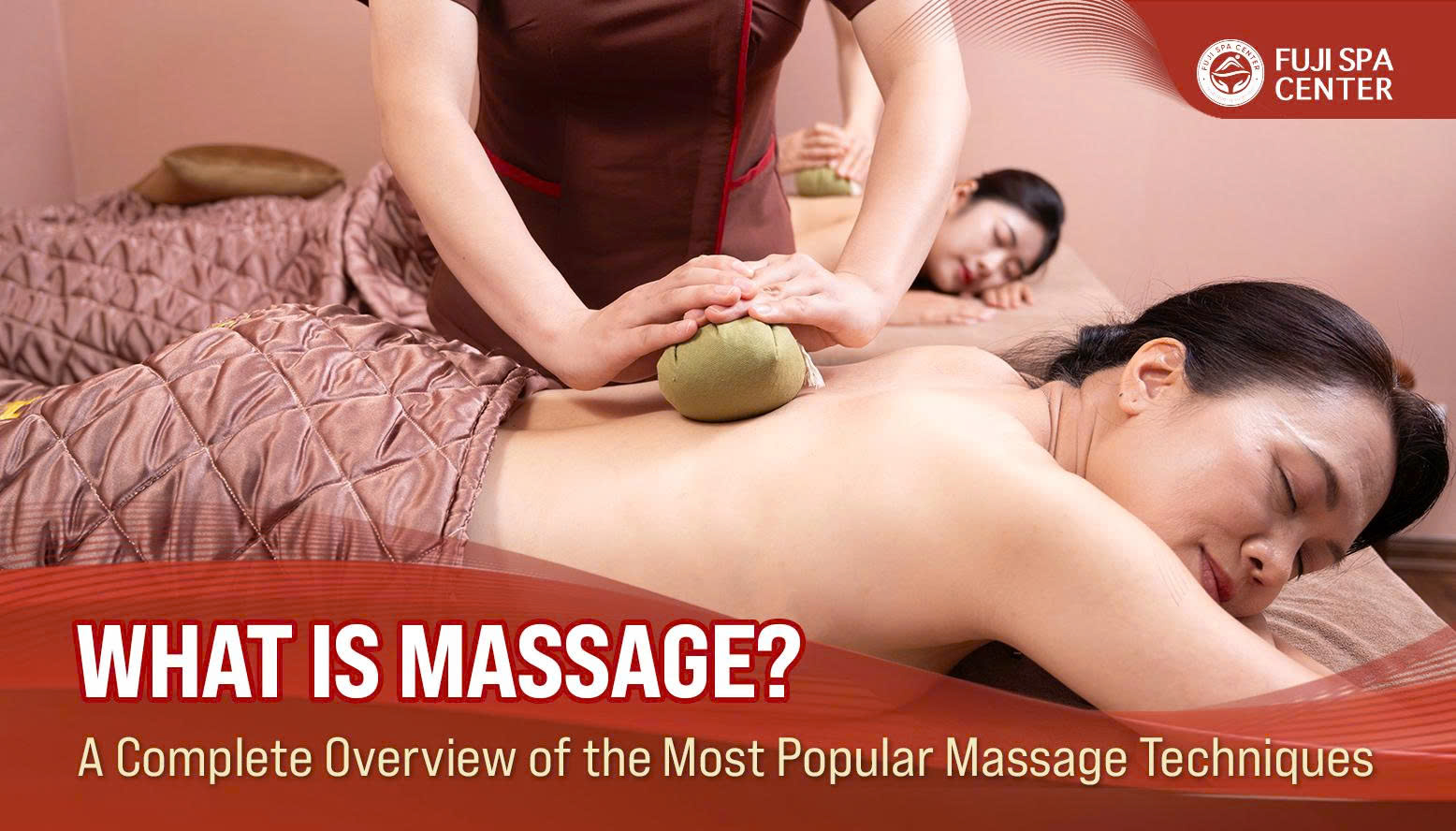
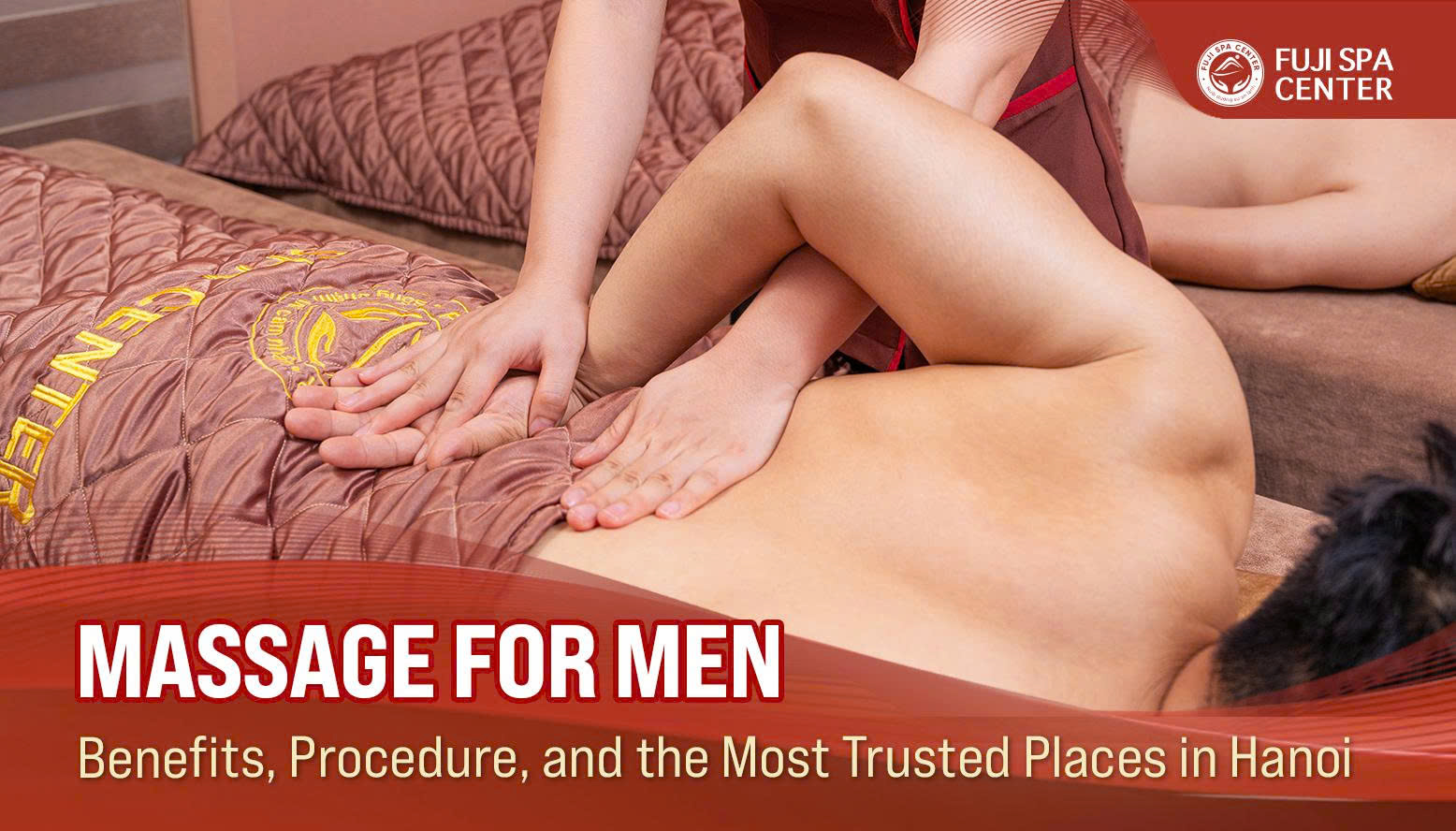
Massage: Massaging the scalp with oils or hair masks improves circulation and reduces stress. For best results, visit professional treatment centers. At reputable spas, your scalp and hair will receive specialized care to effectively treat scalp conditions, reduce hair loss, and provide relaxation thanks to skilled professionals and high-quality products.
For best results, visit professional treatment centers.
Aloe Vera: Aloe vera soothes the scalp, reduces dandruff, and promotes healthy hair follicles.
Coconut Oil: Rich in lauric acid, coconut oil prevents protein loss in hair, and regular use can help strengthen hair.
4.2. Hair Growth Products
Consider products like fish oil, ginseng, or medical treatments:
Fish Oil: Rich in omega-3, fish oil nourishes hair follicles and promotes hair growth.
Ginseng: Ginsenosides in ginseng stimulate hair growth and strengthen hair.
Medications: Doctors may prescribe topical or oral medications to support hair regrowth.
Rich in omega-3, fish oil nourishes hair follicles and promotes hair growth.
4.3. Advanced Treatments
Advanced treatments include laser therapy, injections, platelet-rich plasma (PRP), or hair transplants:
Laser Therapy: Red light and cold laser therapies stimulate hair regrowth with minimal invasiveness.
Injections: Nutrient injections directly into the scalp can promote faster results.
PRP: Platelet-rich plasma injections stimulate hair regrowth by using the patient’s own blood.
Hair Transplants: Moving healthy hair follicles to balding areas can be effective but is not suitable for all cases.
5. Preventing Excessive Hair Loss
To prevent hair loss, adopt a healthy lifestyle, care for your hair properly, and manage stress. Maintain a balanced diet, ensure adequate sleep, and avoid harsh chemicals on your hair. Stress management techniques like meditation, yoga, and relaxation exercises can also help.
Excessive hair loss is more than an aesthetic issue—it’s a signal that we need to listen more closely to our bodies. By understanding the causes and finding the right solutions, we can care for both our hair and our well-being.
————————–
Fuji Wellness Center – Crafting a Healthy Lifestyle and Long-Lasting Wellness